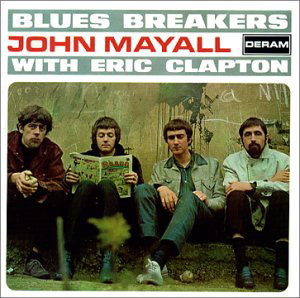
 Like most beginning bloggers I was struggling with what might be a good idea for my very first post. I thought about going back and reflecting on icons like Robert Johnson and W.C. Handy. They were incredible human beings who motivated so many people. However, … Read the rest
Archive | October, 2007
Electric Blues Masters (Part 2 of 3)
After school and on the weekends I enjoyed watching shows like Batman, Star Trek, Bewitched, I Dream of Jeannie, and my personal favourite Get Smart. My brother would also add that I was watching Lassie. Yes I admit it! Lassie was in syndication and I … Read the rest
Electric Blues Masters (Part 3 of 3)
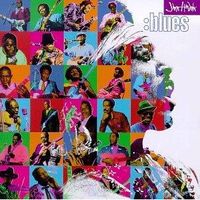 When you look back and think of all the major influences when it comes to the electric blues in the mid to late sixties, you cannot ignore what Jimi Hendrix brought to the music scene. Not usually known as a blues player to the general … Read the rest
Recent Comments